Portraits · Poets · IX of XIV
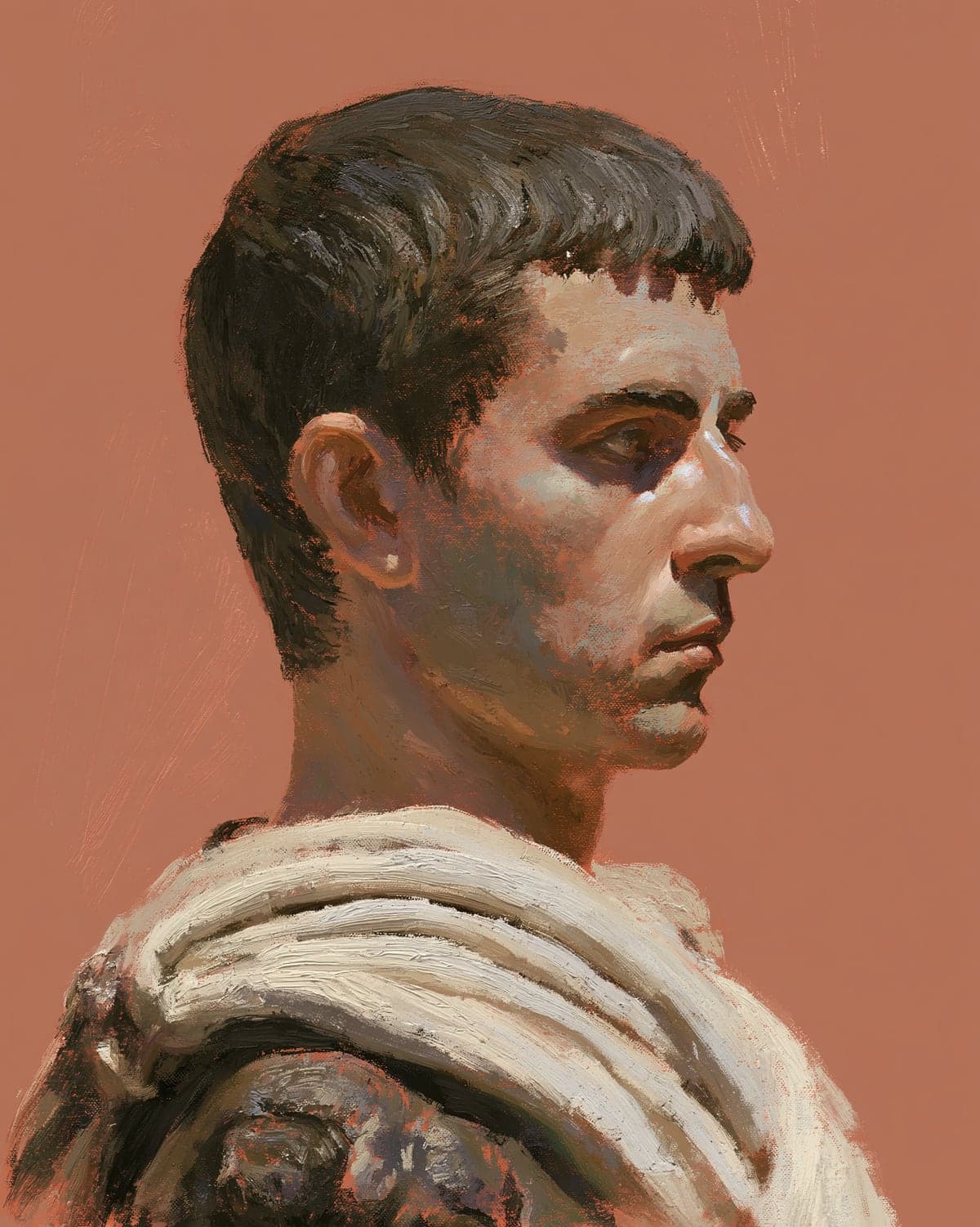
Horace
65–8 BC · Poet
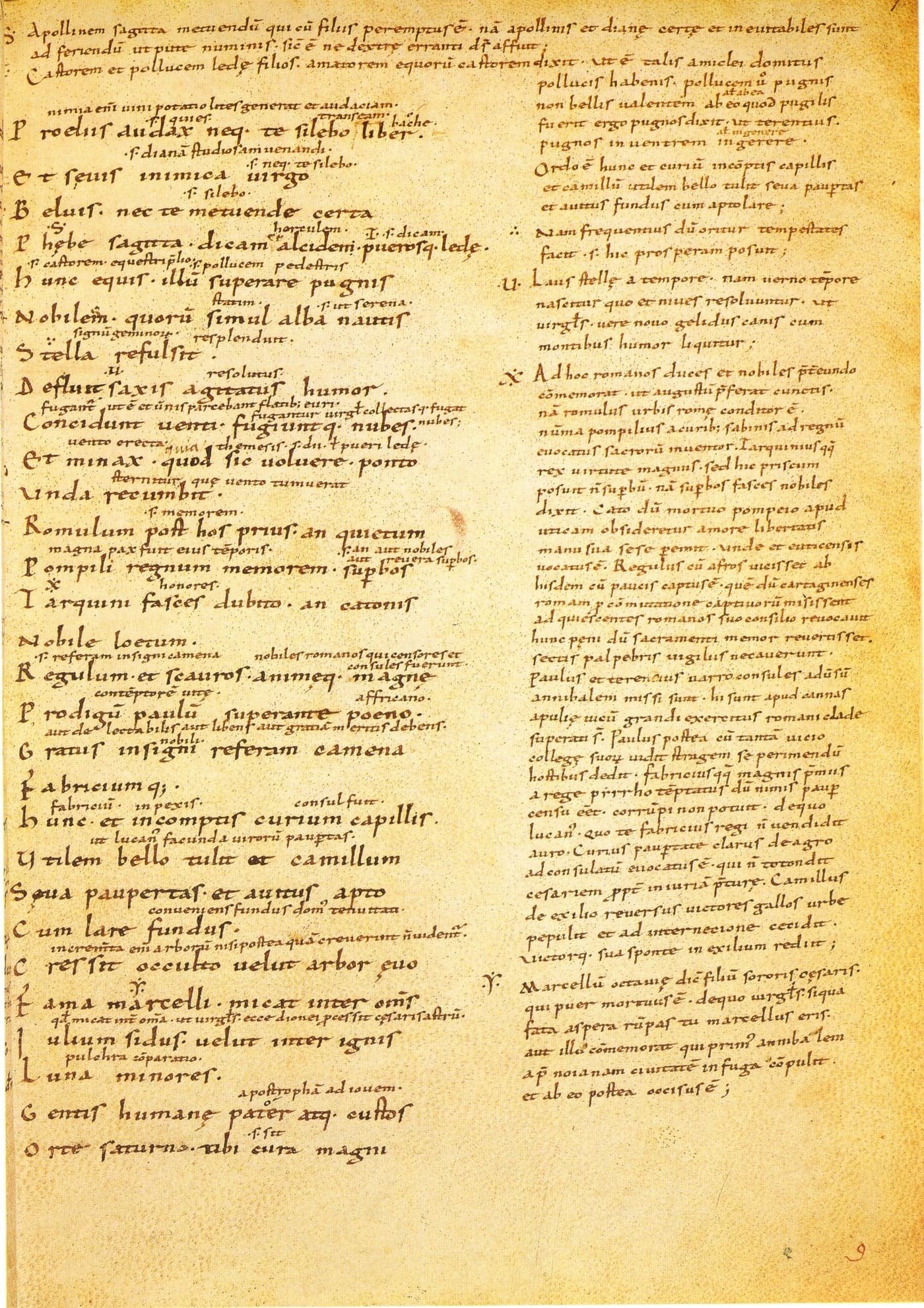
Read it in the source →…her poets, one and all, cannot brook the toil and tedium of the file.
si non offenderet unum / quemque poetarum limae labor et mora. vos, o / Pompilius sanguis, carmen reprehendite quod non / multa dies et multa litura coercuit atque / praesectum deciens non castigavit ad unguem.
Horace wrote this in his Ars Poetica, a verse letter on the art of poetry, around 19–10 BC. Rome, he says, would lead the world in letters as it does in arms, if only its poets could bear the slow work of the file: a poem should be blotted and refined ten times over.
Ars Poetica, lines 289–294. Horace, Satires, Epistles and Ars Poetica, with an English translation by H. Rushton Fairclough (Loeb Classical Library; London: Heinemann / New York: Putnam, 1926), pp. 474 (Latin) and 475 (English).
The originals